Thermoforming Packaging Systems
01 Mayıs
01 Mayıs 2026


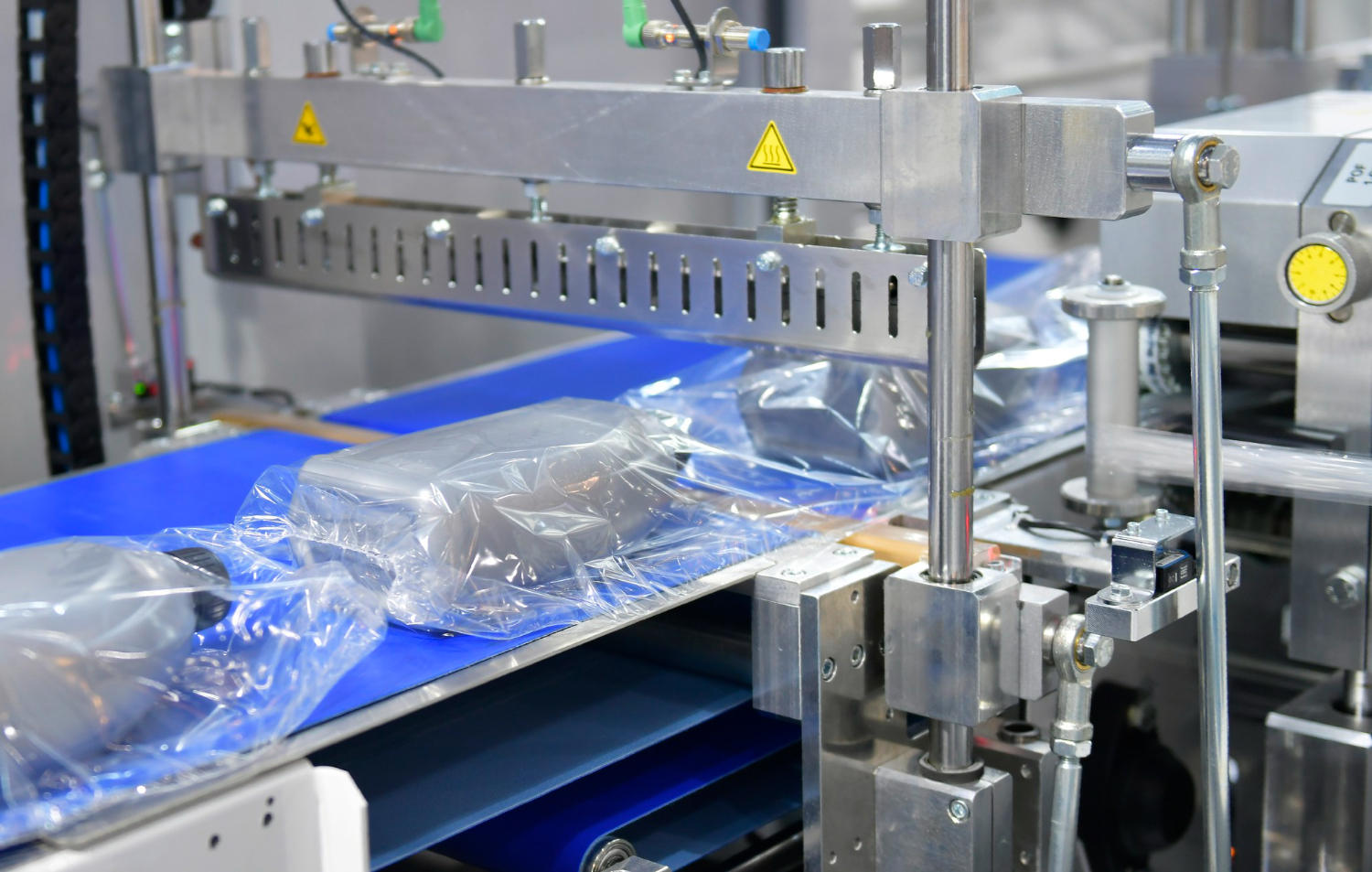
A thermoforming machine creates the package from a roll of film instead of using a pre-made tray or pouch. The bottom film is heated until it becomes formable, shaped with vacuum and/or air pressure, and then prepared for filling. After the product is placed in the formed cavity, a lid film is sealed on top. The result is a continuous forming, filling and sealing process designed for consistent packaging quality.
Thermoforming is used when a manufacturer wants repeatable pack dimensions, efficient material use, hygienic handling and a production line that can be configured for different products. Betapak designs thermoforming machines and integrated packaging solutions for a wide range of production requirements.
The exact configuration varies according to the product, packaging material, capacity and sealing method. The core process generally follows the steps below.
The machine unwinds a roll of bottom film and transfers it through a controlled heating zone. The film temperature must be suitable for the selected material and mold. Stable heating is important because uneven temperature can affect cavity definition, package appearance and sealing performance.
The heated film is shaped inside a mold. Vacuum draws the film against the mold surface, while some configurations also use compressed air or mechanical assistance. The mold depth, cavity geometry and forming area should match the size and shape of the product being packed.
Once the cavities are formed, the product is placed manually or automatically. Integrated filling systems can dose products such as dairy items, sauces, ready meals and other portion products before the sealing stage. Accurate dosing helps improve consistency and reduce product waste.
The selected sealing technology depends on the product, shelf-life target and presentation requirements. The machine removes air for standard vacuum packaging, replaces the internal atmosphere with a controlled gas mixture for MAP, or applies a skin film closely around the product for a tight and highly visible pack.
After sealing, the web is cut into individual packs or configured pack groups. The finished products can then move to inspection, labelling, cartoning or other downstream operations. A complete line may combine thermoforming with filling, handling and secondary packaging equipment.
In standard vacuum sealing, air is removed from the package before the top film is sealed. This is a practical option for many food products where reduced air exposure and a compact pack format are important.
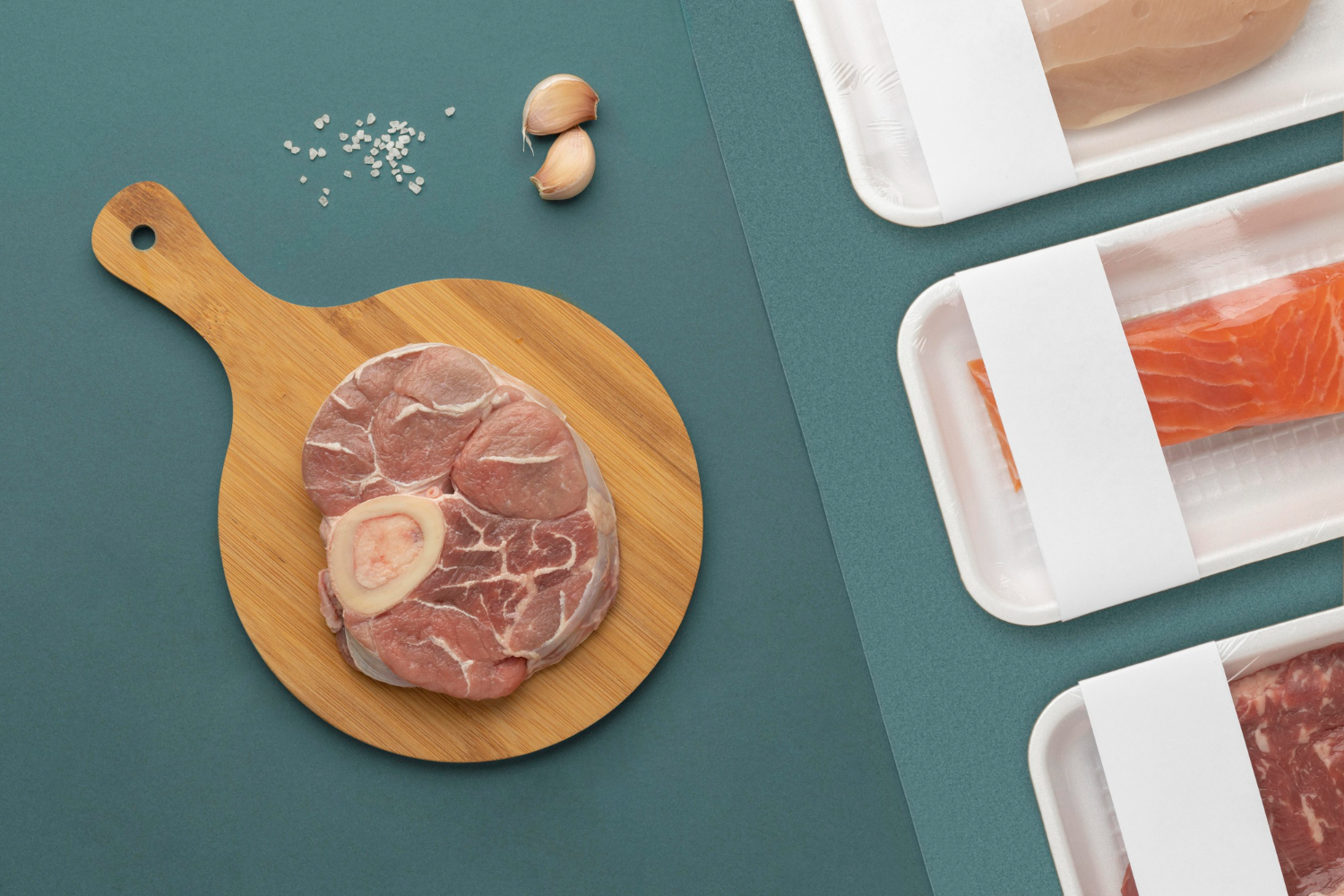
MAP replaces the air inside the package with a product-specific gas mixture. It is commonly considered for meat, poultry, dairy products, ready meals and fresh produce. Betapak’s Bpz Series, including the Z 105 and Bpz 400, is built around MAP-capable thermoforming applications.
Skin packaging uses a conformable film that follows the product’s shape and creates a tight presentation. It can help protect the product while keeping it visible to the customer. Betapak’s Skinpack Series focuses on this combination of product protection and presentation.
Thermoforming lines can be configured for different product categories, materials and output requirements. Common application areas include:
Explore Betapak’s meat packaging solutions, dairy packaging solutions and medical packaging solutions to compare applications by product type.
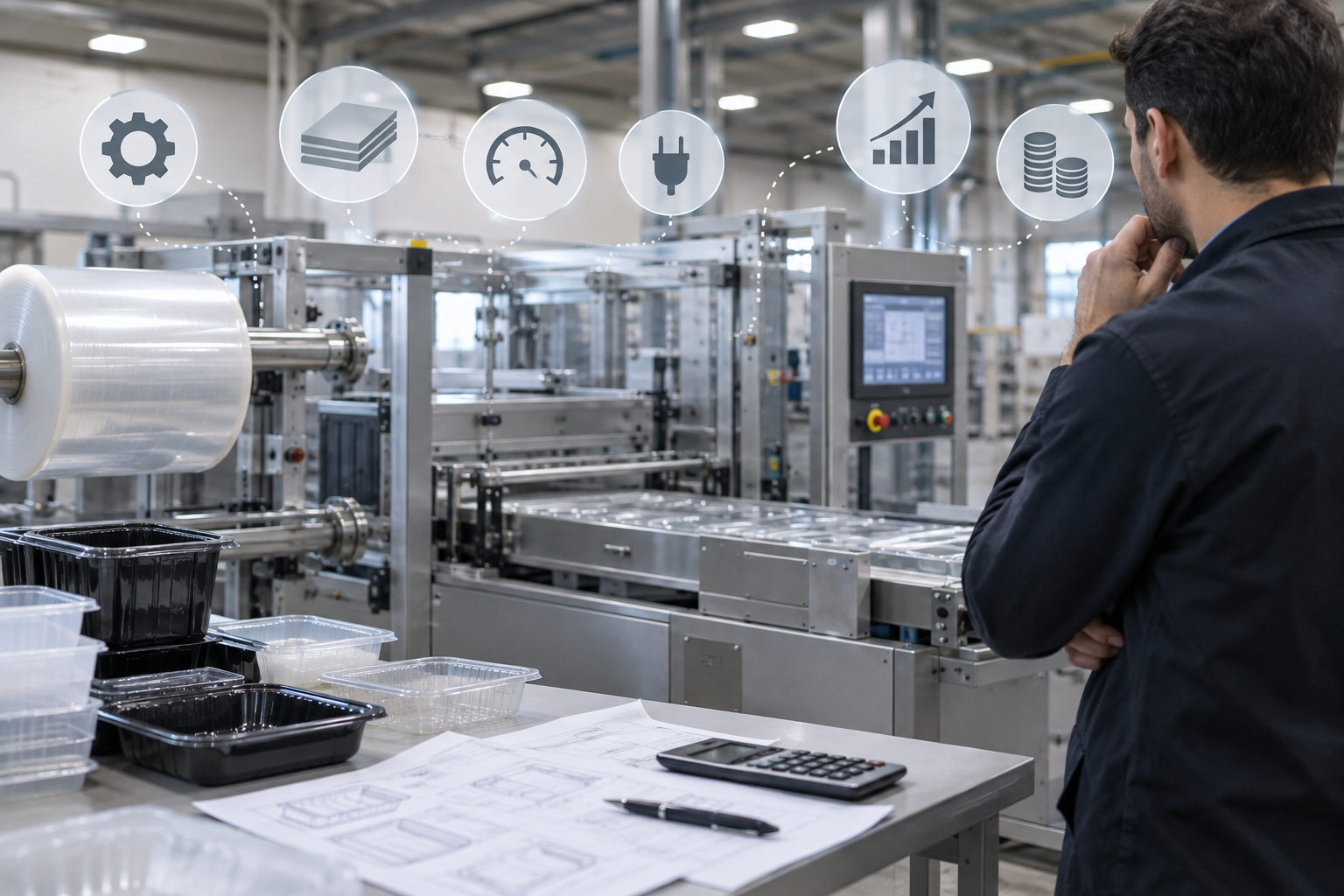
The correct machine should be selected by considering the entire production line rather than capacity alone. The following criteria are a practical starting point.
Define current output, peak demand, expected growth and the number of operators available. Compact machines such as the Bpt JR can suit smaller or growing operations, while larger lines are designed for continuous, high-volume production.
Confirm bottom-film and lid-film materials, film width, thickness, reel diameter, cavity depth and the dimensions of the product. These specifications should be tested against the final product range before the machine model is selected.
Decide whether the production line needs standard vacuum, MAP, skin packaging, or more than one method. The decision should reflect product sensitivity, shelf-life objectives, distribution conditions and the desired presentation.
Consider product loading, dosing, inspection, labelling, cartoning and end-of-line handling. A high level of automation can reduce manual work and variation, but the investment should be matched to actual production needs.
Review the machine footprint, film-roll storage, compressed air, chilled water, electrical supply, access routes and maintenance space. Planning utilities before installation reduces commissioning risk.
A packaging line is a long-term production asset. Technical support, operator training, preventive maintenance and spare-parts availability should be part of the supplier evaluation from the beginning.
Betapak’s product portfolio covers different capacity levels and packaging technologies. The right option depends on the product, target output, film and mold requirements, and desired level of automation.
The Starter Series is designed for businesses beginning or scaling thermoform packaging. It provides a compact starting point before moving to a larger integrated line.
The Bpt Series covers automatic thermoforming solutions for a range of production needs. Depending on the application, the portfolio includes flexible, water and juice, and in-mould labelling configurations such as the Bpt-Y IML Series.
The Bpz Series is suited to manufacturers looking for MAP-oriented thermoforming solutions. Models such as Bpz JR, Z 105 and Bpz 400 can be evaluated according to product dimensions, capacity and packaging requirements.
The Skinpack Series is intended for applications where product visibility, shape retention and tight film conformity are important.
Thermoforming is often part of a wider production line. Betapak’s filling systems and Bph-S Lineer can support dosing, handling and additional automated processes.
A thermoforming machine creates its own package cavity from rollstock before filling and sealing it. A standalone vacuum packaging machine generally seals a pre-made pouch or tray. Thermoforming is often preferred for continuous, standardised and higher-volume packaging lines.
Depending on the model and configuration, a thermoforming line can support more than one sealing technology. Betapak’s Bpz Series is designed around MAP-oriented applications, while the final configuration should be confirmed against the product and film requirements.
Common applications include meat, poultry, seafood, dairy products, bakery products, prepared foods, fruit and vegetables, water and juices, portion products and selected medical applications. The correct machine configuration depends on the product, format and packaging method.
Check production capacity, product dimensions, film and mold specifications, packaging technology, automation level, factory utilities, operator requirements, technical support and spare-parts availability.
Start with the product, target capacity and desired packaging technology. Betapak can then evaluate the suitable machine series, filling configuration, film and mold requirements, and integration needs for your production line.
The best machine is the one that matches your product, output target, packaging technology and future growth plan. Contact Betapak to discuss your production requirements and identify a suitable thermoforming solution.
Contact Betapak Sales or explore the complete thermoforming machine range.